Elk Viewing in Cataloochee Valley: A Complete Guide
There’s something magical about standing in a mountain valley at dawn and watching elk emerge from the mist. A few decades ago, that moment would have been impossible in the Smoky Mountains—elk had vanished from this region for over 150 years. But thanks to a remarkable reintroduction program that began in 2001, you can now experience these magnificent creatures in their natural habitat, and Cataloochee Valley has become one of the most reliable places to see them in the Southeast.
If you’re staying at Smoky Mountain Dream, you’re perfectly positioned to explore this wildlife wonder. We’re just 35 minutes from Cataloochee Valley, making elk watching an ideal day trip that combines adventure with the kind of peaceful, early-morning solitude that makes mountain vacations unforgettable.
The Elk Reintroduction Story
The elk that now roam Cataloochee Valley are part of one of the most successful wildlife restoration projects in the eastern United States. In 2001, the National Park Service began releasing Rocky Mountain elk from Kentucky into the valley. These weren’t a native strain—the original eastern elk had been hunted to extinction centuries ago—but they’ve adapted beautifully to the Smoky Mountains landscape.
The reintroduction started with just 25 elk. Today, over 1,200 call the Smokies home, with most living in and around Cataloochee Valley. The program is considered a model for wildlife restoration, and watching these herds has become one of the park’s most popular activities. For visitors, it’s a unique opportunity to witness a living conservation success story.
Best Times to See Elk
Elk are visible year-round in Cataloochee Valley, but your chances of seeing them—and seeing them at their best—vary significantly by season.
Seasonal Quick-Reference Guide
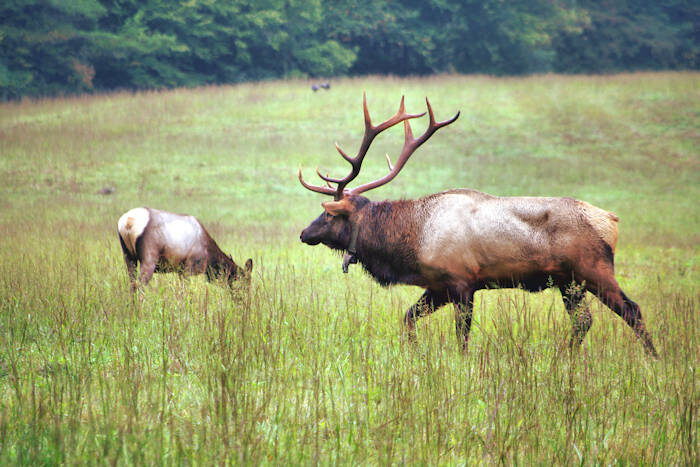
Fall is unquestionably the best time. September through November, bull elk are in rut—they’re actively herding females and bugling (their haunting, otherworldly calls echo through the valley). This behavior keeps them visible in the open fields, and the sheer activity level makes for unforgettable viewing. The weather is crisp, the foliage is spectacular, and the whole experience feels alive.
Winter is your second-best bet. Snow and cold push elk into the valley’s open meadows to forage. Combine that with shorter days and clearer sight lines through bare trees, and you’ve got excellent odds of seeing them. Just be prepared for potentially icy roads and dress warmly.
Spring and summer are trickier. As temperatures warm and vegetation greens up, elk disperse to higher elevations where it’s cooler and food is abundant. You can still see them, particularly in the very early morning (be there by 6:00 AM) or just before dark, but consistent sightings become less likely.
Time your autumn visit to Smoky Mountain Dream during peak elk season. Five bedrooms, mountain views, and you’re perfectly positioned for early-morning valley expeditions. Check availability →
Where to Find Elk in Cataloochee Valley
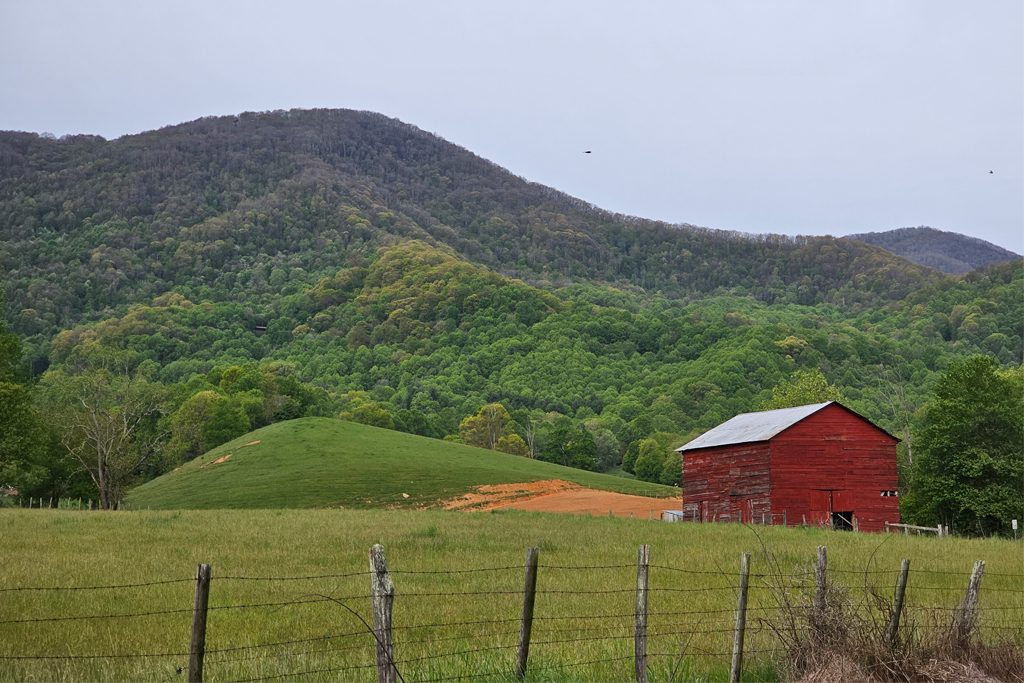
Cataloochee Valley spans roughly 20 square miles, and elk are scattered throughout. But they’re not distributed randomly—they favor specific meadows and grazing areas. Knowing these spots dramatically improves your odds of a sighting.
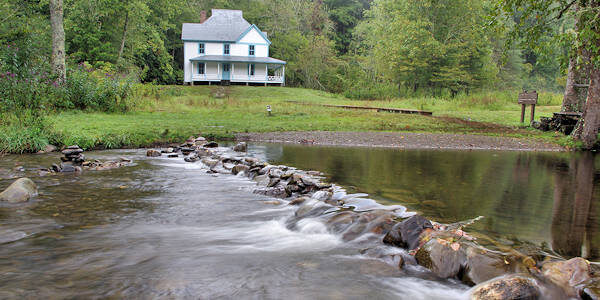
Cataloochee Valley Road (main fields): The road itself is the hub of elk activity. As you drive the narrow, winding gravel road through the valley, you’ll pass several broad meadows on both sides. These open fields are where elk congregate to graze, especially early morning and late afternoon. Look for herds standing in the fields as you drive—sometimes you’ll find a dozen or more in a single meadow. Drive slowly, stop frequently, and use binoculars to scan distant areas.
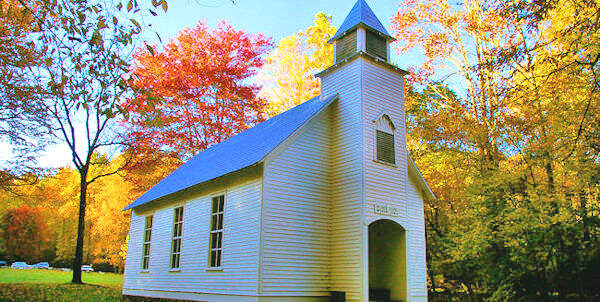
Palmer Chapel: Near the center of the valley, Palmer Chapel is a historic structure surrounded by exceptional elk habitat. The fields around the chapel are reliably good for viewing, and the historic setting adds a layer of Smoky Mountains culture to your visit.
Rough Fork Trail: If you want to combine hiking with elk watching, the Rough Fork Trail (2.8 miles round trip) offers good odds of encountering elk while giving you a backcountry experience. The trail winds through areas where elk frequently graze, and the dense forest creates intimate viewing moments when you’re fortunate enough to encounter a herd.
Caldwell Fork: This area, accessed via Caldwell Fork Road, is slightly less crowded than the main valley drive. Elk are here, but you’ll need to work a bit harder to find them. The payoff is often fewer people and a more remote feeling.
Oconaluftee area: While not technically part of Cataloochee, the fields along the main park road near Oconaluftee Visitor Center (south of the valley) have increasingly reliable elk populations. We’ll cover this as an alternative below.
What to Bring for Elk Viewing
Coming prepared makes the difference between a frustrating early morning and a magical one. Here’s what you should pack:
- Binoculars: Essential. A good pair (8×42 magnification is ideal) lets you spot distant elk and enjoy closer observation without approaching them.
- Telephoto lens or zoom camera: If you’re into photography, bring a lens with at least 200mm reach. You’ll want distance between you and the wildlife.
- Warm layers: Dawn in the mountains is cold, even in spring. Bring a fleece or jacket, even if the forecast looks mild.
- Blanket or camping chair: If you plan to settle in and wait for activity, a blanket or portable chair makes comfort a non-negotiable.
- Coffee, water, and snacks: You’ll be awake before sunrise. Bring caffeine. Granola bars, fruit, and pastries sustain you through those long, quiet hours of observation.
- Flashlight with red filter: A red light won’t spook wildlife the way white light does. Perfect for arriving in the dark before dawn.
- Full tank of gas: No gas stations exist in Cataloochee Valley. You’ll drive a 20+ mile loop. Return to town with adequate fuel.
- Offline maps: Cell service is spotty to nonexistent in the valley. Download offline maps of the area before you arrive.
At Smoky Mountain Dream, you’ll sleep peacefully knowing you can roll out at 5:00 AM and be in the valley by 5:45. A comfortable cabin with a hot shower for after your adventure—that’s the way to experience elk viewing. Book your stay →
Getting to Cataloochee Valley
Cataloochee Valley is about 35 minutes from Smoky Mountain Dream, but the route requires some attention.
From Waynesville, take US-276 north toward Brevard. Continue for roughly 20 miles until you spot the sign for Cataloochee Valley (it’s easy to miss). Turn right and begin climbing into the valley on a increasingly narrow road. The final few miles transition to gravel and become quite winding. A regular car can handle it—the road is passable—but SUVs and trucks navigate more comfortably. Expect 20–30 minutes from the paved road turn-off to the main viewing areas.
The National Park Service occasionally closes the road due to weather or maintenance. Before you go, check the NPS road conditions page to confirm it’s open. Winter snow, ice, and muddy spring conditions can all trigger closures.
No gas, food, or cell service exist in Cataloochee Valley. Make sure you have a full tank, snacks, and offline maps before entering. The valley is remote by design, and that’s part of its appeal—but it also demands self-sufficiency.
Alternative: Oconaluftee Elk Viewing
Cataloochee Valley is the premier elk destination, but if time is short or road conditions concern you, the Oconaluftee area offers an easier alternative.
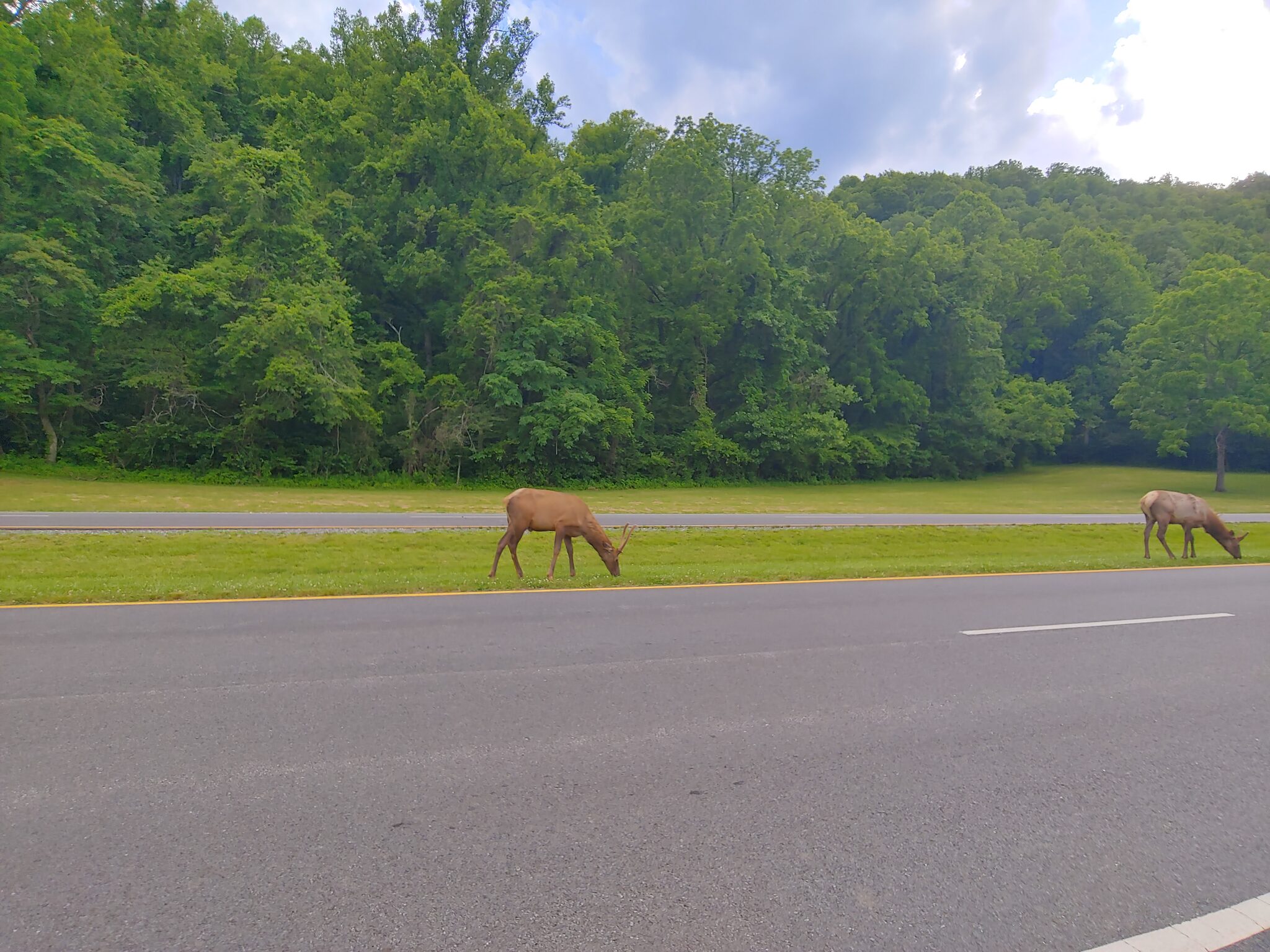
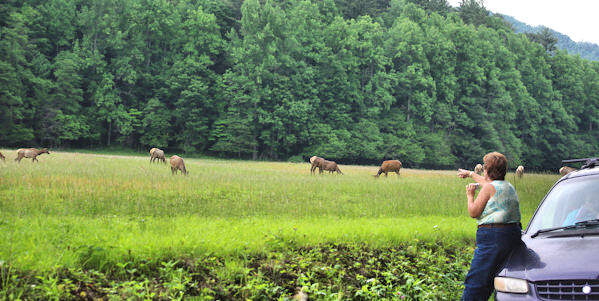
Oconaluftee is particularly good for families with young children or visitors who want a less rustic experience. The Mountain Farm Museum is worth exploring while you’re there, and the paved road access means you can visit even after heavy rain or winter weather that might close Cataloochee’s gravel roads.
Elk Viewing Etiquette and Safety
Elk are wild animals. They’re not aggressive by nature, but they demand respect. Here are non-negotiable rules:
- Maintain distance: Stay at least 25 yards from any elk. That’s roughly the length of a school bus. If an elk reacts to your presence—ears back, stiff posture, sudden movement—you’re too close. Back away slowly.
- Never approach a calf: A mother elk defending her young can be extremely dangerous. If you see a calf, move away immediately and never get between the mother and calf.
- Stay quiet: Loud talking, shouting, and sudden noises stress wildlife and can trigger aggressive responses. Speak in hushed tones, move deliberately, and avoid slamming car doors.
- Don’t feed them: It’s illegal, and it conditions elk to associate humans with food—a dangerous situation for both humans and the animals.
- Use binoculars, not your phone: Binoculars let you observe from a safe distance. A telephoto lens does the same. Your phone’s camera won’t capture detail, and you’ll need to get too close for a decent shot.
- Watch for bugling behavior: During the fall rut, bulls are territorial and irritable. If you hear aggressive bugling, give that area a wide berth.
- Leave the valley before dark: Driving gravel roads at night in Cataloochee is hazardous. Complete your viewing and exit by dusk.
Photography Tips for Elk
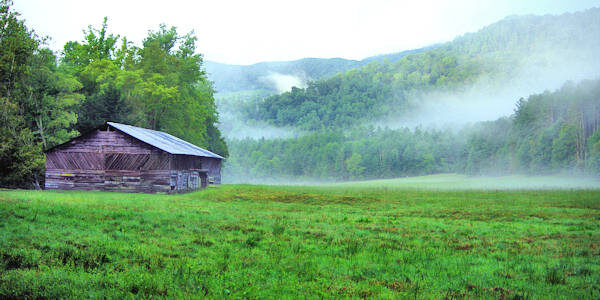
Whether you’re a serious photographer or just want great photos for your family, a few principles transform your shots:
- Golden hour is everything: The hour after sunrise and the hour before sunset deliver warm, directional light that makes elk look majestic. These are also peak activity times. Plan your visit around this window.
- Use a telephoto lens: A lens with at least 200mm focal length lets you capture detail while respecting the 25-yard distance rule. A 300mm or 400mm lens is even better for frame-filling shots.
- Shoot in aperture-priority mode: Use a narrower aperture (f/8 or smaller) to keep the entire elk sharp from nose to rump, especially if there’s a group.
- Anticipate behavior: Watch for patterns. Elk often graze in predictable directions. Position yourself ahead of them when possible, so they’re walking into (not away from) the light.
- Include context: The most powerful elk photos show them in their landscape—with mountains, historic structures, or meadows in the frame. A portrait lens alone misses the story of Cataloochee.
- Be patient: The best shot often comes after 30 minutes of waiting. Sit, observe, and wait for moments when multiple elk align, light angles perfectly, or a unique behavior occurs.
For inspiration and deeper exploration of the valley’s trails and surroundings, consider combining your elk viewing day with other Cataloochee activities. The valley offers historic homes, old cemeteries, and moderate hiking—it’s a complete destination, not just a viewing point.
Guided Tours and Ranger Programs
Historically, Cataloochee Valley Tours offered structured elk viewing experiences. That service retired in July 2024, so guided group tours are no longer available through that operator.
However, the National Park Service occasionally offers ranger-led programs and wildlife talks in and around Cataloochee. These programs are free but available on a first-come basis. Check the NPS elk information page or ask at nearby visitor centers about current offerings.
The good news? Self-guided elk viewing in Cataloochee is straightforward and often more rewarding than a guided tour. You set your own pace, spend as much time as you want in productive areas, and develop a personal connection with the landscape.
Insider Tips: What Zachary Knows
After years of guiding guests to Cataloochee, I’ve picked up a few secrets that separate a good elk viewing experience from an unforgettable one:
- Go twice: If your vacation allows, visit the valley on two different days. The first trip gets you oriented; the second trip focuses on the specific areas and times that produced sightings. You’ll see far more on the second visit.
- Bring your own binoculars. Many people assume they don’t need them—then they arrive and watch distant elk as blurry dots. Good binoculars (even affordable ones) transform the experience. It’s worth the $50–100 investment for a week-long stay.
- The clouds matter more than the temperature. A cool, overcast morning often yields better elk sightings than a clear, warm one. Elk move less in bright heat. Overcast skies keep them active and visible.
- Skip the weekend if possible. Cataloochee draws crowds on Saturdays and Sundays, especially in fall. If you’re staying midweek, visit during those quieter days for a more immersive experience.
- Visit the historic sites while you’re there. Cataloochee’s homesteads and cemeteries offer profound context for understanding the region. Mix elk viewing with a walk through these historic areas for a fuller sense of place.
- Check the weather and road conditions before leaving the cabin. Conditions change fast in the mountains. A clear forecast at 6:00 PM can become fog and rain by 6:00 AM. Make a final decision after checking current conditions.
More to Explore in the Smokies
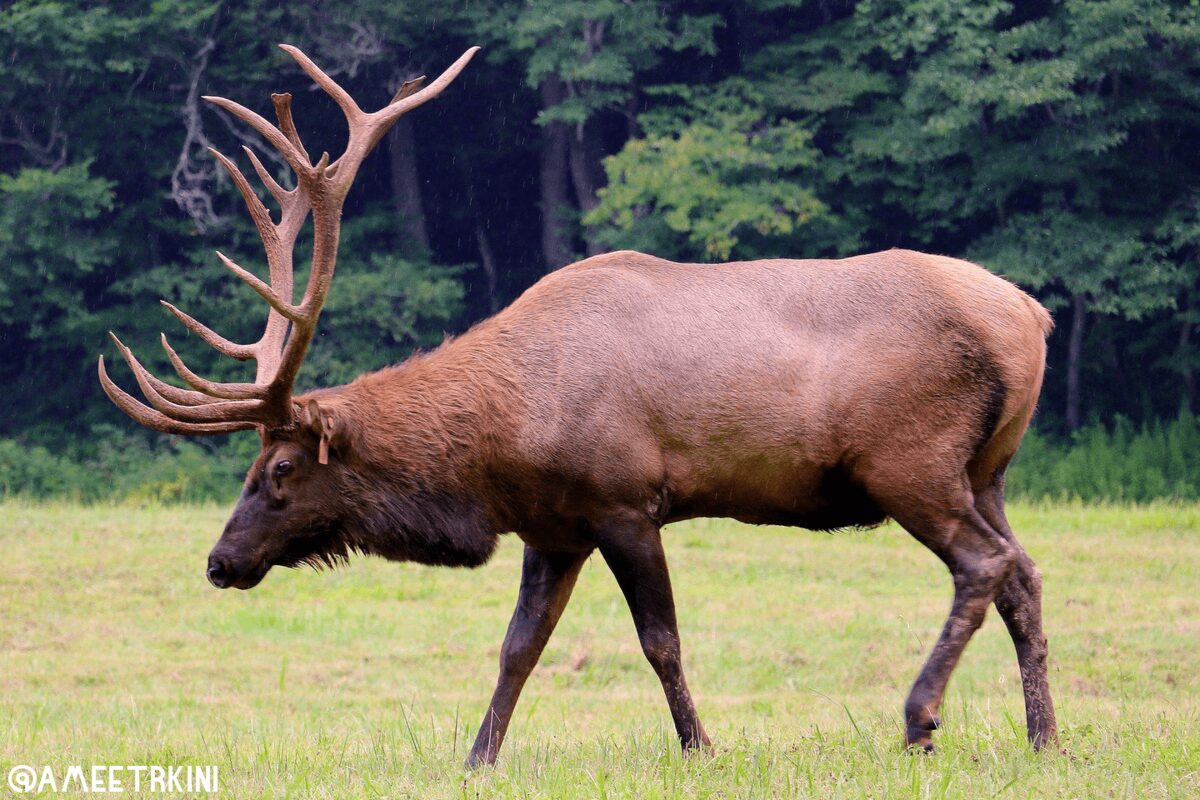
Elk viewing pairs beautifully with other mountain experiences. If you’re staying at Smoky Mountain Dream and planning a full week, combine your valley visit with hiking adventures, fall foliage drives, or a scenic run along the Blue Ridge Parkway. The full range of things to do around Waynesville ensures your trip extends far beyond Cataloochee.
If you’re bringing children, our family vacation guide offers age-specific activities and tips for keeping everyone engaged. And if you’re curious about waterfalls, many are accessible within the park and make excellent additions to your itinerary.
Cataloochee Valley: Your Wildlife Adventure Awaits
Standing in a Cataloochee Valley meadow at sunrise, binoculars in hand, listening for the distant bugle of a bull elk, you’ll understand why so many visitors call this their favorite Smoky Mountains experience. There’s something primal about witnessing wild elk in their element—it connects you to the landscape and to the conservation efforts that made this moment possible.
The reintroduction of elk to the Smokies is an ongoing success story, and every visitor who observes these animals respectfully contributes to its continuation. Your presence supports the park’s mission, your photographs spread awareness, and your memories become stories that inspire others to visit and protect this irreplaceable region.
Plan your trip during peak season, stay with us at the cabin, and start your morning in the valley while most people sleep. That’s how you experience the Smoky Mountains at their best—wild, authentic, and utterly unforgettable.
More Smoky Mountain Guides